The commercial real estate landscape is undergoing a massive structural shift. Suburban strip centers, vacant office parks, and underutilized retail warehouses present modern property owners with a consistent challenge: holding costs. Between rising property taxes, maintenance overhead, and fluctuating vacancy rates, stagnant square footage quickly transforms from an asset into a balance sheet liability.
For forward-thinking developers and real estate investors, the solution isn’t always waiting out the market for a traditional commercial tenant. Instead, a sophisticated alternative is gaining traction: converting underutilized commercial real estate into high-impact, tax-exempt community hubs.
By partnering with an established 501(c)(3) non-profit umbrella like Roller Sports Club, Inc., property owners can strategically transition underperforming real estate into a vibrant athletic complex while unlocking massive fiscal advantages.
The Financial Blueprint: Capital Gains and Deductions
Holding vacant commercial real estate drains liquidity. Transitioning that property into a non-profit athletic asset through a corporate donation or a structured long-term lease-to-own agreement alters the financial equation immediately:
- Substantial Income Tax Deductions: When a corporation or individual donates real estate to an active 501(c)(3) organization, they are generally eligible for a federal income tax deduction equal to the full fair market value (FMV) of the property. For highly appreciated assets, this deduction can offset significant corporate tax liabilities.
- Elimination of Capital Gains: Selling a commercial property traditionally triggers heavy capital gains taxes. By donating the asset directly to a non-profit umbrella, the owner completely bypasses capital gains exposure, preserving the maximum financial value of their philanthropic contribution.
- Immediate Relief from Holding Costs: The moment the property title or management transfers to a tax-exempt entity, the burden of ongoing property taxes, municipal fees, and structural maintenance vanishes from the donor’s ledger.
The Local Power Shift: Erasing the Property Tax Burden
In states with high commercial property tax rates like Texas, the municipal tax burden alone can paralyze an underutilized property. However, under state tax codes, real estate owned by or permanently dedicated to an approved 501(c)(3) youth and community sports organization can qualify for total property tax exemption.
By working with an umbrella organization that handles the administrative infrastructure, compliance, and governance for multiple athletic clubs, a developer can take comfort in knowing the space is being utilized efficiently. The building ceases to be a vacant tax drain and instantly becomes a bustling regional anchor.
Repurposing Square Footage for High-Volume Foot Traffic
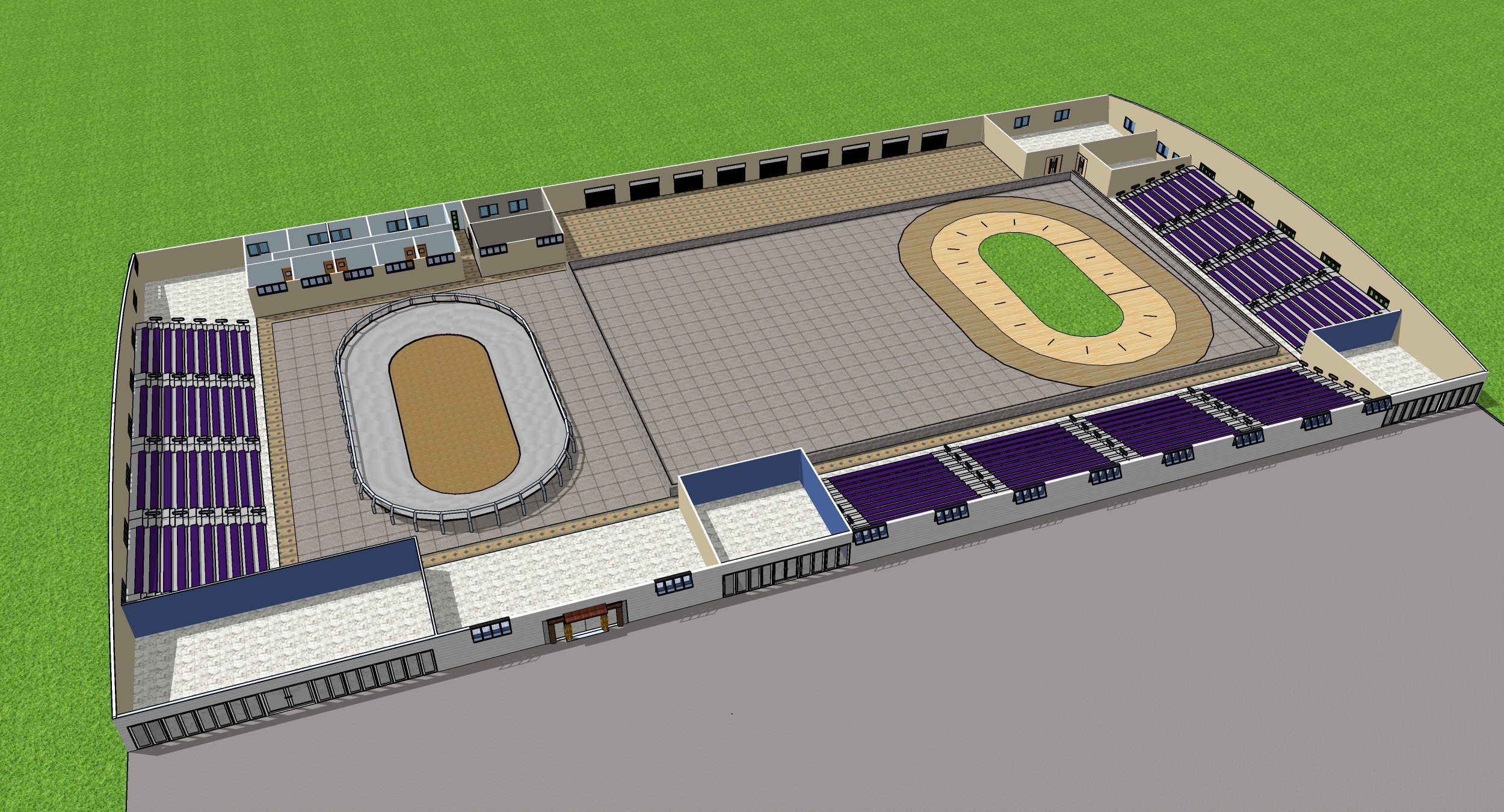
Commercial spaces like clear-span warehouses, former department stores, and large recreational facilities are architecturally perfect for multi-discipline sports infrastructure. What used to be a quiet, vacant retail footprint can easily scale to house:
- Elite banked track and flat track roller derby arenas.
- Multipurpose youth sports training surfaces.
- Regional fitness, wellness, and sports medicine stations.
For developers holding adjacent retail or commercial parcels, this transformation introduces a powerful secondary benefit: foot traffic. A regional sports complex draws thousands of athletes, families, and spectators to the area every single week. This consistent influx of local consumers revitalizes the surrounding ecosystem, driving up the value and tenant demand of the developer’s remaining commercial portfolio.
From Stagnant Square Footage to Community Legacy
Real estate is more than just concrete and steel; it is the physical foundation upon which communities are built. Leaving an asset vacant serves no one. Transforming it into a permanent home for youth development, female athletic empowerment, and regional wellness solves a corporate real estate problem while cementing a profound civic legacy.
For modern property owners, the math is clear. Transitioning underutilized real estate to a structured non-profit umbrella removes the liability from your books and places a permanent monument of community growth in its place.
Have a Property to Discuss? Contact Us!